Iron Infusion: Benefits, Procedure, and Side Effects
August 18, 2026
Iron Therapy: Oral Supplements vs Iron Infusion
August 18, 2026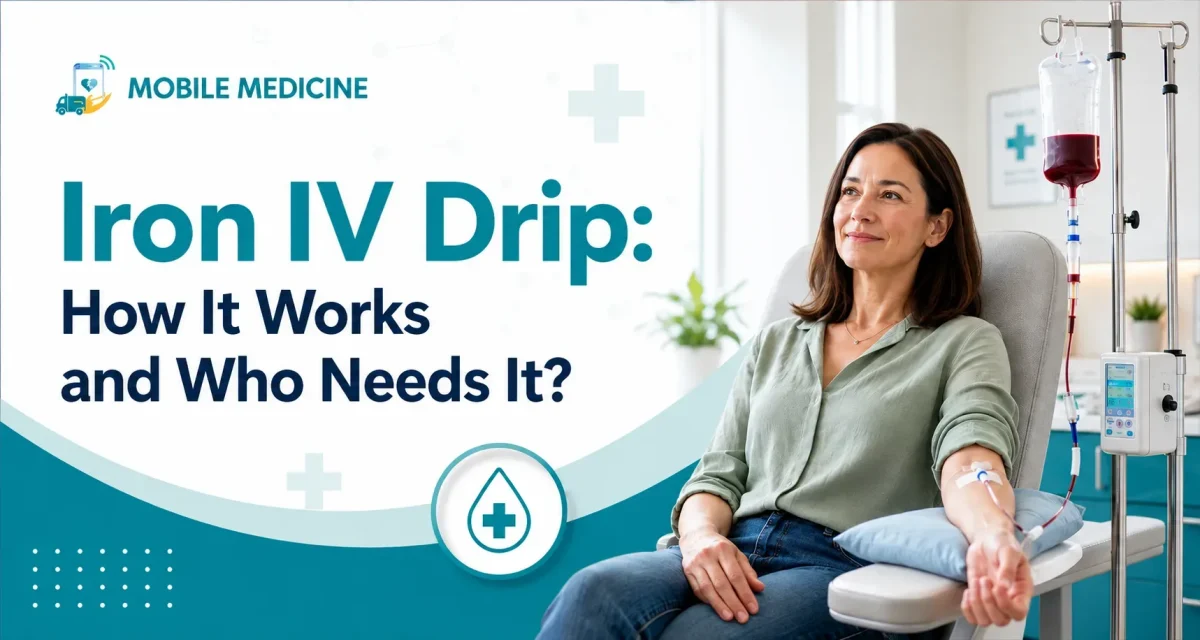
Feeling constantly tired, weak, dizzy, or short of breath can sometimes be linked to low iron levels. Iron is essential for producing hemoglobin, the protein in red blood cells that carries oxygen throughout the body. When iron stores become too low, the body may struggle to produce enough healthy red blood cells.
For many people, dietary changes or oral iron supplements are enough to improve iron levels. However, some people cannot tolerate iron tablets, do not absorb them effectively, or require more efficient iron replacement. In these situations, a healthcare professional may recommend an Iron IV Drip, also known as an iron infusion or intravenous iron therapy.
What Is an Iron IV Drip?
An Iron IV Drip is a medical treatment that delivers iron directly into a vein through an intravenous line. Instead of passing through the digestive system, the iron enters the bloodstream and becomes available for the body to use in restoring depleted iron stores.
This treatment is different from a typical wellness or hydration IV drip. An Iron IV Drip contains a prescribed intravenous iron preparation and should only be administered when there is an appropriate medical indication.
How Does an Iron IV Drip Work?
During treatment, a healthcare professional inserts a small IV cannula into a vein, usually in the arm or hand. The prescribed iron solution is then administered intravenously over a period determined by the type of iron preparation, dosage, and treatment protocol.
Once administered, the iron can be processed and stored by the body. It is then available for processes such as hemoglobin production and the formation of healthy red blood cells.
Why Is Iron Important for the Body?
Iron is an essential mineral involved in oxygen transport throughout the body. Hemoglobin requires iron to function properly, which means inadequate iron levels can reduce the body’s ability to carry oxygen efficiently.
When iron deficiency progresses, people may experience symptoms such as persistent fatigue, weakness, dizziness, headaches, reduced exercise tolerance, pale skin, shortness of breath, or difficulty concentrating. However, these symptoms can also occur with many other medical conditions, which is why blood testing is important before assuming iron deficiency.
Who May Need an Iron IV Drip?
An Iron IV Drip may be considered for people with confirmed iron deficiency or iron deficiency anemia when oral iron is not appropriate or has not worked sufficiently.
Examples include patients who cannot tolerate the gastrointestinal side effects of iron tablets, people who have difficulty absorbing iron through the digestive system, or patients who require more efficient iron replacement based on their clinical condition.
When Oral Iron Is Not Enough
Oral iron supplements are commonly used because they are convenient and can be taken at home. However, some patients experience nausea, constipation, stomach discomfort, or other digestive problems that make long term supplementation difficult.
Other patients may take oral iron correctly but still have low iron stores. In these situations, a doctor may evaluate whether Iron Infusion in Bali is an appropriate alternative.
There are many possible reasons why iron levels become low. Understanding the underlying cause is important because replacing iron alone may not solve the original problem.
Possible causes include ongoing blood loss, heavy menstrual bleeding, nutritional deficiency, gastrointestinal conditions affecting iron absorption, pregnancy related increased iron requirements, and certain chronic illnesses. A healthcare professional should evaluate the cause before recommending treatment.
Do You Need a Blood Test Before an Iron IV Drip?
Blood testing is an important part of evaluating suspected iron deficiency. A healthcare professional may request tests such as a complete blood count, hemoglobin, ferritin, and other iron studies depending on the individual situation.
Mobile Medicine provides Laboratory Services in Bali for patients who need blood testing or additional medical investigations. Test results can help determine whether low iron is actually contributing to your symptoms.
What Happens Before the Iron IV Drip?
Before treatment, the medical team will normally review your symptoms, health history, current medications, allergies, previous reactions to intravenous medications, and relevant laboratory results.
It is important to tell your healthcare provider if you are pregnant, have previously reacted to an iron infusion, have multiple medication allergies, or have other medical conditions. This information helps the medical team decide whether IV iron is suitable for you.
What Happens During the Procedure?
Once treatment begins, the iron preparation is administered through the IV line according to the prescribed dose and recommended administration rate. The length of the procedure varies depending on the specific product and treatment plan.
Your healthcare professional may monitor your condition during the infusion, including symptoms and vital signs when appropriate. If you experience unusual symptoms, you should tell the medical team immediately.
What Happens After an Iron IV Drip?
After the infusion is completed, some patients may be monitored for a period of time before returning to their normal activities. The exact observation period depends on the medication used and individual circumstances.
Some people feel completely normal afterward, while others may experience temporary headache, dizziness, nausea, flushing, fatigue, or muscle discomfort. Your healthcare provider can explain what symptoms should be monitored after treatment.
How Soon Can You Feel the Benefits?
An Iron IV Drip delivers iron directly into the bloodstream, but that does not mean energy levels will immediately return to normal. The body still needs time to use the iron for red blood cell and hemoglobin production.
The speed of improvement varies between patients and depends on factors such as the severity of the iron deficiency, the underlying cause, overall health, and the body’s response to treatment.
Is an Iron IV Drip Safe?
IV iron is commonly used in medical care, but like any medication, it can cause side effects. Mild reactions may include headache, dizziness, nausea, flushing, temporary changes in blood pressure, or discomfort around the injection site.
More serious hypersensitivity or allergic reactions can occur, although they are less common. For this reason, intravenous iron should be administered by qualified healthcare professionals who can monitor the patient and respond appropriately if a reaction occurs.
Also Read: Iron Therapy: Oral Supplements vs Iron Infusion
Who Should Not Get an Iron IV Drip Without Medical Assessment?
You should not request an Iron IV Drip simply because you feel tired or want an energy boost. Excess iron is not beneficial when the body does not need it, and fatigue may be caused by many conditions unrelated to iron deficiency.
If you are unsure about your symptoms, a doctor consultation in Bali can help determine whether blood testing, iron supplementation, or another form of treatment is appropriate.
Iron IV Drip in Bali with Mobile Medicine
For residents, travelers, and expatriates in Bali, accessing medical care while away from home can sometimes be inconvenient. Mobile Medicine provides professional homecare services designed to bring healthcare directly to your accommodation.
If your laboratory results show iron deficiency and a healthcare professional recommends intravenous iron, Mobile Medicine can help assess whether an Iron IV Drip is appropriate for your individual condition. Treatment should always be based on medical evaluation, laboratory results, and the appropriate prescribed dose.
WhatsApp: +62 812 5263 8533
View this post on Instagram
Frequently Asked Questions About Iron IV Drip
Is an Iron IV Drip the same as an iron infusion?
Yes. The terms Iron IV Drip, IV iron therapy, and iron infusion are commonly used to describe intravenous administration of an iron preparation.
Can I get an Iron IV Drip without a blood test?
A medical assessment and appropriate laboratory testing are generally important before IV iron treatment. Iron should not be administered unnecessarily because symptoms such as fatigue and weakness can have many different causes.
Is Iron IV Drip better than iron tablets?
Neither option is automatically better for everyone. Oral iron may work well for many patients, while IV iron may be considered when tablets are poorly tolerated, inadequately absorbed, ineffective, or otherwise unsuitable.
How many Iron IV Drip sessions will I need?
The number of sessions varies depending on your iron deficiency, body weight, laboratory results, type of IV iron used, and prescribed dose. Some treatment plans require one session, while others may involve multiple doses.
Do I need follow up blood tests after an Iron IV Drip?
Your healthcare provider may recommend follow up testing to check hemoglobin and iron stores and assess your response to treatment. The timing of these tests depends on your individual condition.