Iron Therapy: Oral Supplements vs Iron Infusion
August 18, 2026
Rabies Vaccine: PrEP, PEP & What to Know
September 16, 2026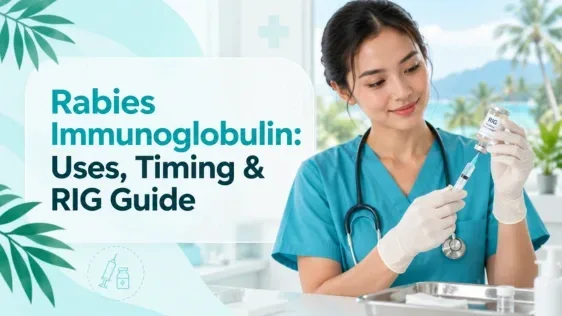
Rabies immunoglobulin is an important part of rabies post-exposure prophylaxis (PEP) for people who have a qualifying high-risk exposure and have not previously received rabies vaccination. Unlike the rabies vaccine, which stimulates the immune system to produce its own antibodies, rabies immunoglobulin provides ready-made antibodies that can act immediately at the exposure site.
A bite, scratch, or saliva exposure from an animal that could carry rabies should be assessed by a healthcare professional as soon as possible. Rabies is preventable when appropriate post-exposure treatment is started promptly, but once clinical symptoms develop, the disease is almost always fatal. WHO recommends wound care, rabies vaccination, and rabies immunoglobulin when indicated as the main components of PEP.
What Is Rabies Immunoglobulin?
Rabies immunoglobulin, often abbreviated as RIG, is a biological product containing antibodies that target the rabies virus. It is used to provide passive protection following certain rabies exposures. The main purpose of RIG is to provide immediate antibody activity before the immune system has had enough time to respond to the rabies vaccine. It is therefore different from vaccination and is not normally used as a routine preventive injection for people who have not been exposed.
RIG is administered as part of post-exposure treatment when the exposure meets the criteria for its use. WHO recommends rabies immunoglobulin for category III exposures in people who have not previously been vaccinated against rabies. There are different types of rabies immunoglobulin products, including human rabies immunoglobulin (HRIG) and equine rabies immunoglobulin (ERIG). The appropriate product depends on local availability, regulatory approval, and the clinical setting.
Why Is RIG Used After Rabies Exposure?
After a potential exposure, the goal of PEP is to prevent the rabies virus from reaching the central nervous system. Rabies immunoglobulin contributes to this process by supplying antibodies at the location where the virus may have entered the body. The rabies vaccine works differently: it stimulates the person’s immune system to develop its own protective response.
This difference is particularly important during the early period after exposure. RIG acts as passive immunization, while vaccination produces active immunity. WHO describes RIG as providing passive immunization until the person’s immune system can develop antibodies following rabies vaccination.
For someone who has never been vaccinated and has a qualifying severe exposure, PEP may therefore involve:
- Immediate and thorough wound cleansing
- Rabies immunoglobulin when indicated
- A recommended rabies vaccine schedule
- Assessment of tetanus protection and wound management
- Additional treatment when required for the physical injury
The exact treatment should be determined following a professional exposure assessment rather than based solely on the animal species or the appearance of the wound.
RIG and Rabies Vaccine
Rabies immunoglobulin and rabies vaccine are not interchangeable. RIG contains antibodies that are already available to act against the virus. The rabies vaccine, on the other hand, presents rabies antigens to the immune system so the body can develop its own immune response.
This means that a person requiring both treatments may receive them as complementary components of PEP rather than choosing one instead of the other. For previously unvaccinated people with a qualifying exposure, CDC guidance includes both human rabies immune globulin and rabies vaccine as part of PEP. CDC also specifies that HRIG should not be administered in the same syringe or anatomical site as the first vaccine dose. The vaccine schedule itself can vary according to the protocol used, the patient’s vaccination history, immune status, and applicable national guidance. A healthcare professional should determine the appropriate regimen.
When Is Rabies Immunoglobulin Needed?
Rabies immunoglobulin is generally associated with category III or other severe rabies exposures in people who have not previously completed an appropriate rabies vaccination course.
WHO classifies category III exposure as including situations such as:
- A bite that penetrates the skin
- A scratch that breaks the skin
- Saliva contaminating broken skin
- Saliva contacting a mucous membrane
- Direct exposure involving a bat
For these severe exposures, WHO recommends immediate vaccination together with rabies immunoglobulin for people who have not previously been vaccinated. The decision should not be based on the size of the wound alone. A small puncture can still represent a meaningful exposure if the animal is potentially infected with rabies. A medical assessment should consider the type of contact, the animal involved, the circumstances of the exposure, the location and characteristics of the wound, the prevalence of rabies in the area, and the patient’s previous vaccination history.
What Happens After an Animal Exposure?
Rabies post exposure prophylaxis should begin as soon as a potentially significant exposure has occurred. The first step is wound care. WHO recommends washing and flushing the exposed area thoroughly with soap and water for at least 15 minutes. An appropriate virucidal antiseptic may also be used when available. After wound cleaning, the patient should seek medical assessment rather than waiting for symptoms to appear.
A healthcare professional may then determine whether the exposure requires:
- Wound management only
- Rabies vaccination
- Rabies vaccination plus rabies immunoglobulin
- Additional treatment for the physical injury
If RIG is indicated, it should be administered as part of the PEP process rather than treated as a substitute for the rabies vaccine. Rabies symptoms should never be used as a reason to wait before seeking treatment. PEP is intended to prevent disease before clinical symptoms develop.
When Should RIG Be Given?
Rabies immunoglobulin is generally administered once at the beginning of PEP. WHO recommends giving RIG as soon as possible after starting post-exposure vaccination. It should not normally be administered later than seven days after the first rabies vaccine dose because the body’s active immune response to vaccination will already have begun.
This timing is one reason patients should seek medical care promptly after a potential rabies exposure. If RIG is not immediately available, rabies vaccination should not be unnecessarily delayed while waiting for immunoglobulin. WHO states that vaccines should not be withheld because RIG is unavailable. A healthcare professional should determine how and when RIG can subsequently be administered when appropriate. Patients should therefore avoid trying to arrange individual components of treatment independently without medical guidance.
How Is Rabies Immunoglobulin Administered?
RIG administration is different from a standard vaccine injection. The healthcare professional generally infiltrates as much of the calculated RIG dose as anatomically appropriate into and around the wound. This approach places the antibodies close to the potential site of viral entry.
For multiple or extensive wounds, the clinician may need to use an appropriate dilution technique according to the product and clinical protocol so that the exposed areas can be adequately infiltrated. Any remaining amount is handled according to the applicable product instructions and clinical guidance. The dosage is determined according to factors such as the patient’s body weight and the specific RIG product being used. Human and equine products have different recommended dosing limits.
RIG must not be mixed with the rabies vaccine in the same syringe. It also should not be administered at the same anatomical site as the first rabies vaccine dose. Because administration requires correct calculation, wound infiltration, product handling, and monitoring for possible reactions, rabies immunoglobulin should only be administered by appropriately trained healthcare professionals.
What If the Person Was Previously Vaccinated?
Previous rabies vaccination can significantly change the recommended PEP approach. People with documented previous rabies vaccination generally do not receive rabies immunoglobulin after a new exposure. Instead, they may require wound care and a different rabies vaccine schedule.
For example, CDC guidance states that previously vaccinated individuals should not receive HRIG and generally receive two rabies vaccine doses, given three days apart. However, vaccination history can be complicated. A person may have received pre-exposure vaccination, a previous post-exposure course, or vaccines under a different national protocol.
Bring any available vaccination documentation to the medical appointment. The healthcare professional can use the dates and type of previous vaccines to determine the appropriate treatment.
What Should You Do Immediately After Exposure?
Do not wait until you can arrange a rabies immunoglobulin appointment before cleaning the wound.
Immediately:
- Wash the wound thoroughly with soap and running water for at least 15 minutes.
- Use an appropriate antiseptic if available.
- Avoid applying substances such as coffee, oil, herbs, toothpaste, or other home remedies.
- Do not tightly close or seal the wound without professional advice.
- Seek medical assessment as soon as possible.
- Provide details about the animal, exposure, location, and time of the incident.
- Bring previous rabies vaccination records if available.
WHO emphasizes that prompt wound treatment is an essential part of rabies PEP. Do not attempt to catch or handle an unfamiliar animal yourself. If the animal can be safely identified and monitored by the appropriate authorities or veterinary professionals, provide that information to the healthcare team.
Can RIG Be Used Without Rabies Vaccine?
Rabies immunoglobulin should not be viewed as a standalone replacement for rabies vaccination when both are indicated. RIG provides temporary passive protection, while vaccination helps the body establish its own immune response. Their functions are complementary during PEP.
For a previously unvaccinated person with a category III exposure, WHO recommends both immediate vaccination and rabies immunoglobulin. If RIG is unavailable, the rabies vaccine should still be started promptly. WHO specifically advises that rabies vaccines should not be withheld because RIG is unavailable.
The patient should then follow the healthcare provider’s instructions regarding the rest of the PEP course.
Possible Reactions to Rabies Immunoglobulin
As with other biological products, rabies immunoglobulin can cause reactions at or around the administration site.
Possible effects may include:
- Pain or tenderness
- Redness
- Swelling
- Local discomfort
- Other temporary reactions
Serious allergic reactions are uncommon, but healthcare professionals administering RIG should be prepared to recognize and manage anaphylaxis. Tell the healthcare provider about previous reactions to immunoglobulin products, known allergies, medications, pregnancy, immune conditions, and other relevant medical information. The potential reactions should be considered in the context of the much more serious risk associated with untreated rabies exposure.
Rabies Immunoglobulin Treatment in Bali
Travelers and residents in Bali who experience a potential rabies exposure should seek medical assessment promptly rather than waiting until they leave the island. A dog bite, monkey scratch, bat exposure, or saliva contact with broken skin may require assessment for rabies post-exposure prophylaxis. The need for rabies immunoglobulin depends on the exposure category and the patient’s vaccination history.
Mobile Medicine provides access to rabies vaccination and rabies immunoglobulin through its Vaccination Center in Bali. Treatment availability and suitability should be confirmed following a medical assessment. For patients who require additional wound management, Mobile Medicine also provides a wound treatment service. More serious injuries, uncontrolled bleeding, significant tissue damage, or wounds involving important structures may require hospital care instead.
If you need assistance arranging rabies exposure treatment in Bali, visit the Mobile Medicine contact page for further information.
Rabies Immunoglobulin FAQs
Is rabies immunoglobulin the same as RIG?
Yes. RIG stands for rabies immunoglobulin. The term can refer to immunoglobulin products used to provide passive protection after a qualifying rabies exposure. Products may include human rabies immunoglobulin and equine rabies immunoglobulin.
How quickly should rabies immunoglobulin be given?
RIG should be administered as soon as possible when it is indicated, generally at the beginning of rabies post-exposure prophylaxis. WHO recommends that it not be administered later than seven days after the first rabies vaccine dose.
Can I get rabies immunoglobulin without getting the rabies vaccine?
RIG is not intended to replace the rabies vaccine. For previously unvaccinated people with a category III exposure, WHO recommends rabies immunoglobulin together with rabies vaccination. If RIG is temporarily unavailable, vaccination should not be delayed while waiting for it.
Do previously vaccinated people need rabies immunoglobulin?
Generally, no. People with documented previous rabies vaccination usually do not receive RIG after a new exposure, although they may still need wound care and additional rabies vaccine doses. CDC guidance recommends two vaccine doses for previously vaccinated people rather than HRIG.
Where is rabies immunoglobulin injected?
RIG is primarily infiltrated into and around the wound so that antibodies are placed close to the potential site of viral entry. Administration must be performed by a qualified healthcare professional, who determines the appropriate dose and technique based on the product, wound characteristics, and clinical circumstances.