Rabies Immunoglobulin: Uses, Timing & RIG Guide
September 16, 2026
Vaccine Bali: How to Plan Your Vaccination
September 16, 2026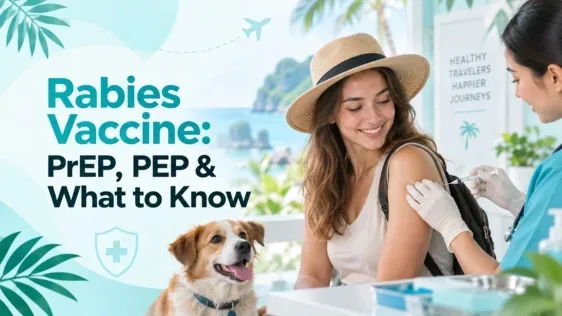
Rabies is a serious viral infection that affects the nervous system. It is most commonly transmitted when saliva from an infected animal enters the body through a bite, scratch, or contact with broken skin or mucous membranes. Once clinical symptoms appear, rabies is almost invariably fatal. However, the disease can be prevented when appropriate measures are taken before or after exposure.
One of the most important tools for preventing human rabies is the rabies vaccine. Depending on a person’s circumstances, the vaccine may be given before exposure as pre-exposure prophylaxis (PrEP) or after a potential exposure as part of post-exposure prophylaxis (PEP).
Understanding these two uses can help explain why rabies vaccination is recommended for some people before they encounter an animal, while others receive the vaccine only after a potential exposure.
What Is a Rabies Vaccine?
A rabies vaccine is an inactivated vaccine designed to stimulate the body’s immune system to develop protection against rabies virus. Modern cell-culture rabies vaccines are used for human vaccination and are considered safe and effective for preventing rabies.
Rabies vaccination can be used in two different circumstances:
- Before exposure, as pre-exposure prophylaxis or PrEP.
- After a potential exposure, as post-exposure prophylaxis or PEP.
Although both involve rabies vaccination, they serve different purposes. PrEP prepares the immune system in advance for people whose risk of exposure is higher than usual. PEP is an urgent preventive treatment following a potential exposure and can involve wound care, rabies vaccine, and rabies immunoglobulin or monoclonal antibodies when indicated. This distinction is important because receiving a rabies vaccine before exposure does not mean a person can ignore a later bite or scratch. A new potential exposure should still be medically assessed.
How Does the Rabies Vaccine Help Prevent Rabies?
The main purpose of vaccination is to help the immune system recognize and respond to rabies virus. When the vaccine is given, it stimulates an immune response without causing rabies infection. This immune response is particularly important after a potential exposure because the objective of PEP is to prevent the virus from reaching the central nervous system before disease develops.
Rabies prevention is therefore time-sensitive. WHO recommends that people exposed to a potentially rabid animal seek post-exposure care promptly. Appropriate PEP can prevent rabies from progressing to the symptomatic stage. The vaccine does not work as a treatment for established clinical rabies. Once symptoms have developed, vaccination is no longer an effective way to prevent the disease.
Rabies Vaccine PrEP vs PEP
The terms PrEP and PEP can be confusing because both involve rabies vaccination, but they are used at different stages.
Rabies Vaccine for Pre-Exposure Prophylaxis
Pre-exposure prophylaxis means receiving rabies vaccination before a potential exposure occurs. It is intended for people whose occupation, activities, residence, or travel circumstances may increase their likelihood of encountering rabies virus.
WHO recommends PrEP for people with continual, frequent, or increased risk of exposure. Examples include certain laboratory workers, animal disease control personnel, wildlife workers, and people who live or travel in areas where rabies is endemic and access to prompt medical care may be limited. PrEP is not necessary for everyone. The decision depends on the individual’s anticipated risk and the availability of appropriate medical care if an exposure occurs.
Rabies Vaccine for Post-Exposure Prophylaxis
Post-exposure prophylaxis is used after a potential exposure to rabies. PEP is not simply a course of rabies vaccine. Depending on the exposure and vaccination history, it can involve:
- Thorough wound cleansing
- Rabies vaccination
- Rabies immunoglobulin or another recommended passive antibody product when indicated
WHO classifies potential exposures into different categories. Category II and Category III exposures require rabies vaccination, while Category III exposures also require rabies immunoglobulin or monoclonal antibodies when indicated. Because exposure assessment can be complicated, people should not decide on PEP based solely on the appearance of an animal or the size of a wound.
Who May Need Rabies PrEP?
A rabies vaccine before exposure may be considered when someone has an increased likelihood of encountering animals that could carry rabies.
Examples include:
- Veterinarians and veterinary personnel
- Wildlife workers
- Animal control professionals
- Certain laboratory workers
- People who regularly handle mammals that could carry rabies
- Some travelers visiting areas where rabies is common and access to PEP may be limited
- People living in remote areas where timely access to rabies treatment may be difficult
The exact recommendation depends on the person’s level and duration of risk. For example, CDC’s current guidance recommends a two-dose PrEP series on days 0 and 7 for certain people at increased risk. Additional monitoring or a booster may be recommended for some higher-risk groups depending on their risk category. This is different from routine vaccination for the general population, which is not generally recommended when there is no increased risk of rabies exposure.
Does Rabies PrEP Mean You Are Fully Protected?
PrEP provides an important layer of protection, but it does not mean that future exposures can be ignored. WHO specifically notes that PrEP does not replace the need for PEP after a potential exposure. Anyone who is bitten or scratched by a potentially rabid animal should still seek medical assessment, even if they have previously received rabies vaccination.
One benefit of previous vaccination is that the PEP regimen can be different. For example, under current CDC guidance, a previously vaccinated person who experiences a potential exposure receives two vaccine doses on days 0 and 3 and does not receive human rabies immunoglobulin. This is one reason keeping documentation of previous rabies vaccination can be useful.
What Determines a Rabies Vaccine Schedule?
There is no single rabies vaccine schedule that applies to every person in every situation.
The recommended regimen can depend on several factors, including:
- Whether vaccination is being given before or after exposure
- Whether the person has previously completed rabies vaccination
- The type of exposure
- The vaccination protocol being used
- The person’s immune status
- The healthcare and public health guidelines applicable to the situation
For example, CDC guidance for an unvaccinated person receiving intramuscular PEP uses vaccine doses on days 0, 3, 7, and 14. People with certain immune conditions may require a fifth dose on day 28. Previously vaccinated individuals generally receive two doses, on days 0 and 3.
WHO also recognizes intradermal PEP regimens, including a two-site schedule on days 0, 3, and 7. This means the number and timing of doses can vary according to the protocol used. For this reason, a rabies vaccine schedule found online should not automatically be treated as a personal treatment plan.
What If You Have Had a Rabies Vaccine Before?
Previous rabies vaccination is clinically relevant if a new potential exposure occurs. A healthcare professional will need to know whether you previously completed a recognized rabies vaccination or PrEP regimen. This information can change the recommended PEP approach.
According to CDC guidance, previously vaccinated people do not receive HRIG as part of PEP and generally receive two rabies vaccine doses three days apart. This is different from someone who has never received rabies vaccination. For an unvaccinated person, PEP may include both rabies vaccine and HRIG, depending on the exposure. If you have previous vaccination records, bring them to your medical assessment whenever possible.
Can Children Receive Rabies Vaccine?
Rabies vaccination can be used for children when indicated. Rabies exposure can occur at any age, and CDC states that PEP is appropriate for all age groups, including infants and children.
Children may be at particular risk of animal exposures because they may approach or interact with animals without recognizing the potential danger. Teaching children not to touch unfamiliar animals and to tell an adult immediately after a bite or scratch is therefore an important part of rabies prevention. When vaccination is required, the appropriate dose and administration method should be determined by a healthcare professional according to the applicable vaccination protocol.
Is Rabies Vaccination Safe During Pregnancy?
Pregnancy does not automatically prevent someone from receiving rabies PEP. CDC states that pregnancy is not a contraindication to rabies PEP. Because rabies is a life-threatening infection, potential exposure should be medically assessed rather than delaying care because of pregnancy.
For routine PrEP, individual circumstances should be discussed with a healthcare professional, particularly when the anticipated risk of exposure is low. The decision should consider the person’s actual exposure risk and the reason vaccination is being considered.
What Are the Possible Side Effects of Rabies Vaccine?
Like other vaccines, rabies vaccination can cause temporary reactions.
Possible reactions may include:
- Pain, redness, or swelling where the injection was given
- Headache
- Nausea
- Muscle aches
- Mild fever
- Feeling tired
Most vaccine reactions are temporary. More serious reactions are uncommon, but anyone with a history of a severe allergic reaction to a previous rabies vaccine dose or a vaccine component should tell their healthcare provider before vaccination. For someone undergoing PEP, the potential risk from rabies exposure needs to be considered alongside vaccination considerations. Rabies prevention should not be delayed without professional advice.
What Should You Do After a Potential Rabies Exposure?
Even though this article focuses on the rabies vaccine itself, the first response after an exposure is not to wait for the next vaccine appointment. Immediately wash and flush the affected area thoroughly with soap and running water for approximately 15 minutes. WHO recommends extensive wound washing as a fundamental component of rabies PEP. After cleaning the area, seek medical assessment promptly.
A healthcare professional can evaluate:
- What type of contact occurred
- Whether the skin was broken
- Whether saliva may have contacted broken skin or mucous membranes
- What animal was involved
- Whether the animal can be assessed or observed
- Your previous rabies vaccination history
- Whether rabies PEP is indicated
Prompt assessment matters because rabies prevention is most effective before symptoms develop.
Rabies Vaccine Is Part of a Bigger Prevention Strategy
Vaccination is an important tool, but preventing rabies involves more than receiving a vaccine. For individuals at increased risk, PrEP can provide protection before an exposure. For someone who has already experienced a potential exposure, PEP combines appropriate wound care with vaccination and, when indicated, passive antibody treatment.
At a broader level, preventing rabies transmission also depends on controlling rabies in animals. WHO identifies mass dog vaccination as the most cost-effective strategy for preventing human rabies because it addresses transmission at its source. For travelers and residents in rabies-endemic areas, practical prevention also includes avoiding contact with unfamiliar animals and knowing where to seek medical care if an exposure occurs.
Get Professional Advice About Rabies Vaccination
The right rabies vaccine approach depends on why vaccination is being considered, whether an exposure has occurred, previous vaccination history, and the applicable medical protocol. If you are considering rabies PrEP before travel or have recently experienced a bite, scratch, or other potential exposure, a healthcare professional can assess your situation and determine whether vaccination or additional rabies prevention measures are appropriate.
For people in Bali who need medical assessment, Mobile Medicine provides doctor consultations, rabies vaccination, rabies immunoglobulin when medically indicated, and home medical services at hotels, villas, and residences.
Visit the Mobile Medicine contact or contact via Whatsapp to arrange a medical assessment.
Frequently Asked Questions About Rabies Vaccine
1. What is the rabies vaccine used for?
The rabies vaccine is used to prevent rabies before or after potential exposure. Before exposure, it is used as pre-exposure prophylaxis (PrEP) for people with increased risk. After exposure, it forms part of post-exposure prophylaxis (PEP).
2. How many rabies vaccine doses are needed?
The number of doses depends on whether the vaccine is being used for PrEP or PEP, previous vaccination history, the vaccination protocol, and individual circumstances. For example, CDC’s current intramuscular PEP guidance uses four doses for previously unvaccinated people, while previously vaccinated people generally receive two doses.
3. Can I get a rabies vaccine before traveling?
Some travelers may benefit from rabies PrEP, particularly when visiting areas where rabies is common and access to prompt medical care may be limited. However, PrEP is not routinely necessary for every traveler.
4. Do I still need medical care if I already had a rabies vaccine?
Yes. Previous rabies vaccination does not mean a potential exposure should be ignored. Medical assessment is still important, and the recommended PEP regimen may be different for someone who has previously been vaccinated.
5. Is rabies vaccine the same as rabies immunoglobulin?
No. Rabies vaccine stimulates the body’s immune response, while rabies immunoglobulin provides immediate passive antibodies when indicated for certain exposures. They therefore have different roles in rabies PEP