Vaccine in Bali: What Travelers Need to Know?
July 15, 2026
Iron IV Drip: How It Works and Who Needs It?
August 18, 2026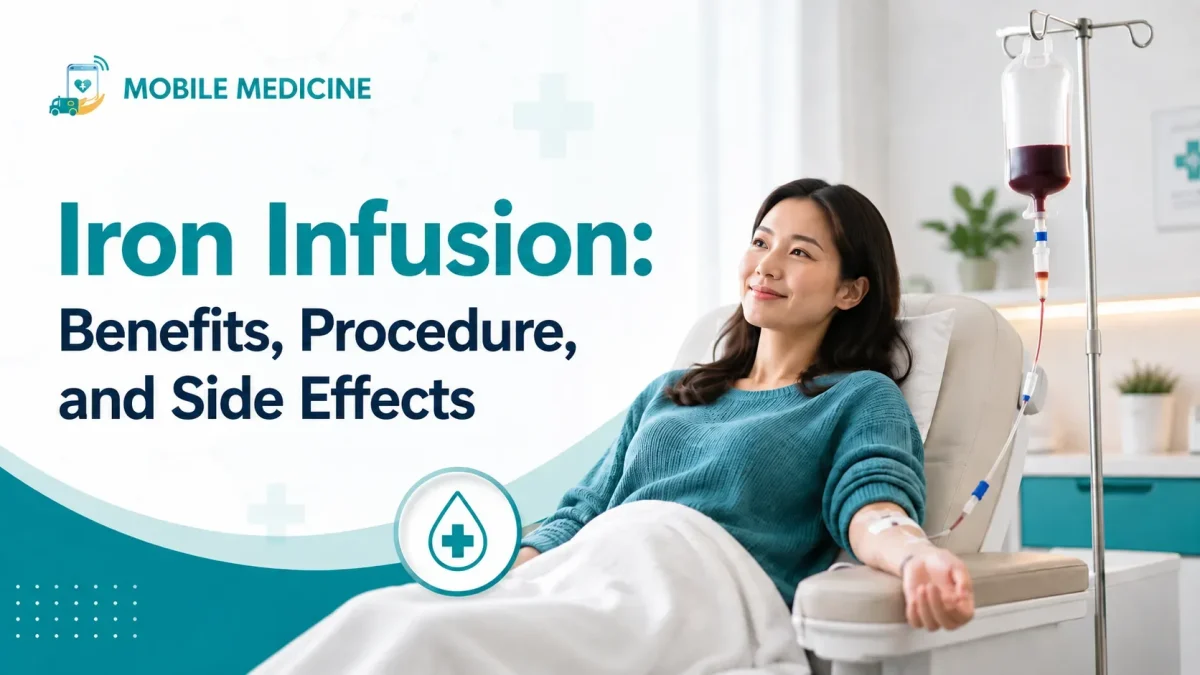
Iron plays an essential role in helping the body produce hemoglobin, the protein in red blood cells responsible for carrying oxygen throughout the body. When iron levels become too low, you may experience fatigue, weakness, dizziness, shortness of breath, headaches, or difficulty concentrating.
For many people, dietary changes and oral iron supplements are enough to restore iron levels. However, there are situations where oral supplements are not well tolerated, do not provide adequate improvement, or iron needs to be replaced more efficiently. In these cases, a doctor may recommend an iron infusion, which delivers iron directly into the bloodstream through an intravenous line.
What Is an Iron Infusion?
An iron infusion is a medical treatment where an iron-containing solution is administered directly into a vein. Because the iron enters the bloodstream intravenously, it does not need to pass through the digestive system before becoming available to the body.
Iron infusion is different from a general vitamin or hydration IV. While a Vitamin IV Drip in Bali may contain fluids, vitamins, minerals, or electrolytes depending on the patient’s needs, iron infusion is specifically designed to replenish iron stores and should be given based on medical assessment.
Who May Need an Iron Infusion?
Iron infusion is commonly considered for people who have confirmed iron deficiency or iron deficiency anemia and cannot obtain sufficient improvement from oral iron alone. A doctor will normally evaluate symptoms, medical history, and laboratory results before recommending treatment.
Situations where intravenous iron may be considered include:
- Oral iron supplements cause significant digestive side effects.
- Iron levels remain low despite taking oral supplements correctly.
- The digestive system cannot absorb enough iron.
- Faster iron replacement is considered medically necessary.
- Iron deficiency occurs alongside certain chronic medical conditions.
- Ongoing blood loss has contributed to depleted iron stores.
An iron infusion should not be used simply because someone feels tired. Fatigue has many possible causes, so proper medical assessment is important before starting treatment.
Benefits of Iron Infusion
One of the main advantages of iron infusion is that iron is delivered directly into the bloodstream. This bypasses gastrointestinal absorption, making IV iron useful for people who cannot tolerate or adequately absorb oral supplements.
Once iron stores begin to recover, the body has the resources needed to support normal red blood cell and hemoglobin production. For patients whose symptoms are genuinely related to iron deficiency, correcting the deficiency may gradually improve energy, exercise tolerance, concentration, and general well being.
1. Replenishes Iron Stores Efficiently
Iron infusion can deliver a larger amount of iron than would normally be absorbed from a single oral iron dose. Depending on the type of intravenous iron used and the individual’s requirements, one or several treatment sessions may be recommended.
The exact dose should always be determined by a healthcare professional rather than selected by the patient.
2. Avoids Digestive Side Effects of Oral Iron
Oral iron tablets can sometimes cause constipation, nausea, abdominal discomfort, or changes in bowel habits. These effects may make it difficult for some people to continue treatment consistently.
Because intravenous iron bypasses the gastrointestinal tract, it can be an alternative when oral supplementation is poorly tolerated.
Before recommending an iron infusion, healthcare professionals usually need evidence that iron stores are genuinely low. Blood tests may include a complete blood count, hemoglobin level, ferritin, and other iron related measurements depending on the patient’s condition.
Mobile Medicine also provides laboratory services in Bali for patients who require medical testing as part of their health assessment. Laboratory results can help a doctor determine whether symptoms may be related to iron deficiency or whether another condition should be investigated.
What Happens During an Iron Infusion?
The process normally begins with a medical consultation and review of your health history. Your healthcare provider may ask about previous reactions to medications, current symptoms, allergies, pregnancy, existing medical conditions, and medications or supplements you currently take.
If intravenous iron is considered appropriate, a healthcare professional inserts a small IV cannula into a vein, usually in the arm or hand. The iron preparation is then administered according to the prescribed dose and recommended infusion rate.
How Long Does an Iron Infusion Take?
The length of an iron infusion varies depending on the iron preparation, dosage, individual treatment plan, and clinical protocol being followed. Some preparations may be administered relatively quickly, while others require a slower infusion.
During treatment, the healthcare professional may monitor how you are feeling and watch for possible reactions. Patients may also be observed for a period after treatment, particularly when clinically appropriate.
How Do You Feel After an Iron Infusion?
Some patients feel completely normal after treatment, while others may experience temporary symptoms such as mild headache, nausea, dizziness, fatigue, or muscle discomfort.
Improvement from iron deficiency should not necessarily be expected immediately after the infusion. The body still needs time to use the available iron for processes including red blood cell production. Your doctor may recommend follow up laboratory testing to evaluate your response to treatment.
Possible Side Effects of Iron Infusion
Like any medical treatment, iron infusion can cause side effects. Most reactions are mild and temporary, but patients should still be monitored appropriately during treatment.
Possible side effects may include:
- Headache
- Dizziness
- Nausea
- Temporary changes in taste
- Flushing
- Muscle or joint discomfort
- Changes in blood pressure
- Pain or irritation around the IV site
There is also a risk of iron leaking outside the vein, which can cause irritation and potentially long lasting discoloration of the skin around the injection site.
Can an Iron Infusion Cause an Allergic Reaction?
Hypersensitivity reactions to intravenous iron can occur, although severe reactions are uncommon. This is one reason an iron infusion should be administered by qualified medical personnel in an environment where the patient’s condition can be monitored.
Tell the healthcare provider immediately if you develop difficulty breathing, significant swelling, chest tightness, widespread rash, severe dizziness, or other sudden symptoms during the infusion. The treatment can be stopped and appropriate medical management provided if a reaction is suspected.
Low Phosphate After Certain Iron Infusions
Some intravenous iron preparations, particularly ferric carboxymaltose, have been associated with low blood phosphate levels, known as hypophosphatemia.
The clinical importance varies between patients. People requiring repeated treatment or those with certain risk factors may need additional monitoring. Your healthcare provider can determine whether phosphate testing is necessary based on the type of iron preparation and your medical history.
Iron Infusion vs. Oral Iron Supplements
Both treatments aim to restore iron levels, but they work differently. Oral supplements are convenient and commonly used as an initial treatment when appropriate. They can be taken at home but depend on gastrointestinal absorption and may cause digestive side effects.
Iron infusion delivers iron directly into the bloodstream and may replenish iron more efficiently when oral therapy is unsuitable. However, because it requires intravenous administration and medical monitoring, it should only be used when clinically indicated.
Preparing for Your Iron Infusion
Follow the instructions provided by your healthcare professional before your appointment. Unless you have been specifically instructed otherwise, an iron infusion does not necessarily require fasting.
You should tell the medical team about your current medications, supplements, allergies, previous reactions to IV iron, pregnancy status, and relevant medical conditions. Wearing comfortable clothing that provides easy access to your arm may also make the procedure more convenient.
Iron Infusion in Bali with Mobile Medicine
If laboratory results indicate iron deficiency and intravenous treatment has been recommended, Mobile Medicine provides professional Iron Infusion in Bali supported by a medical team.
Because iron infusion is a medical treatment rather than a general wellness drip, an assessment is important before administration. The appropriate treatment, dosage, and follow up should be determined according to your laboratory results, symptoms, and individual medical condition.
If you are currently staying in Bali and are concerned about persistent fatigue, weakness, dizziness, or possible iron deficiency, you can contact Mobile Medicine to discuss medical consultation, laboratory testing, and whether iron infusion may be appropriate for your condition.
WhatsApp: +62 812 5263 8533
Also read: Iron IV Drip: How It Works and Who Needs It? and Iron Therapy: Oral Supplements vs Iron Infusion
View this post on Instagram
Frequently Asked Questions About Iron Infusion
Is iron infusion better than iron tablets?
Not necessarily. Oral iron is suitable for many patients and is often used when iron deficiency can be treated successfully with supplements. Iron infusion may be considered when oral treatment is ineffective, poorly tolerated, inadequately absorbed, or when more efficient iron replacement is medically necessary.
How quickly does an iron infusion work?
Iron enters the bloodstream during the infusion, but symptom improvement is not always immediate. Your body still needs time to use the iron and produce healthy red blood cells. The response can vary according to the severity and underlying cause of the deficiency.
Can I receive an iron infusion if I am just feeling tired?
An iron infusion should generally not be given solely on the basis of fatigue. A healthcare professional should first determine whether iron deficiency is actually present through medical assessment and appropriate laboratory testing.
Are iron infusions safe?
Intravenous iron is widely used medically and is generally well tolerated when appropriately prescribed and administered. However, side effects and hypersensitivity reactions are possible, which is why professional medical supervision is important.
Do I need blood tests after an iron infusion?
Follow up testing may be recommended to evaluate hemoglobin and iron stores and determine how well you responded to treatment. The timing and type of testing will depend on your condition and your doctor’s recommendations.