Food Intolerance Relief Bali: How to Identify the Difference?
April 14, 2026
What to Eat During Bali Belly: Best Foods for Recovery
May 19, 2026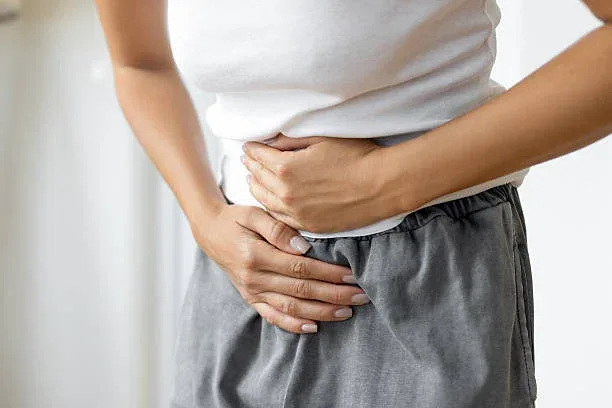
Bali is a dream destination that beckons with its emerald rice terraces and soul soothing sunsets. However, for many travelers, the dream is occasionally interrupted by the dreaded “Bali Belly.” When the cramps hit and the bathroom becomes your most visited location, the only question on your mind is usually: “How long is this going to last?” Understanding the duration and the stages of recovery is the first step toward feeling like yourself again.
Understanding the Typical Duration
In most cases, Bali Belly—or traveler’s diarrhea—is a temporary setback. For the average traveler, symptoms typically persist for 2 to 5 days.
However, the duration is not the same for everyone. It depends heavily on the source of the infection. A mild viral irritation might resolve within 24 hours, while a more stubborn bacterial infection like E. coli or Salmonella can linger for a week. If the cause is parasitic, such as Giardia, the symptoms may even wax and wane for several weeks if not properly treated with specific medication.
The Bali Belly Recovery Timeline
To help you navigate this uncomfortable journey, let’s break down the recovery process into stages. Knowing what is happening inside your body can help you manage the symptoms more effectively.
The Initial Onset (0–12 Hours)
The first sign is often a strange gurgling in the stomach, followed by sudden, sharp abdominal cramps. This is the body’s “alarm system” reacting to ingested toxins or pathogens. During these first few hours, the body focuses on rapid elimination.
-
The primary goal here is to start replacing fluids immediately
-
Small and frequent sips of clear liquids are better than gulping large amounts
-
Rest is mandatory as the body diverts energy to the immune response
The Acute Phase (Days 1–2)
This is generally the peak of the illness. Diarrhea may be frequent, and it is often accompanied by nausea, vomiting, or a low grade fever. You will likely feel very weak and may lose your appetite entirely.
-
Focus on electrolyte replacement through oral rehydration salts
-
Avoid anti diarrheal medications if you have a fever or bloody stools
-
Monitor your urine color to ensure it remains pale yellow
The Stabilization Phase (Days 3–4)
By the third day, most people notice a significant decrease in the frequency of bathroom trips. The sharp cramps usually subside into a dull ache or a feeling of bloating.
-
This is the time to slowly introduce very bland foods
-
Stick to the BRAT diet which includes bananas, rice, applesauce, and toast
-
Continue to avoid dairy, caffeine, and alcohol as your gut lining is still very sensitive
The Recovery Window (Day 5 and Beyond)
For the majority of travelers, day five marks the return of normal energy levels. While your digestion might still feel slightly “off,” the acute symptoms should be gone.
-
Probiotics can be very helpful at this stage to restore healthy gut bacteria
-
Gradually return to normal meals but keep the spices moderate for a few more days
-
Pay attention to any lingering fatigue which may indicate lingering dehydration
Why Is My Recovery Taking Longer?
If you find yourself still struggling after a week, it is important not to dismiss it as “just a stomach bug.” Several factors can extend the duration of Bali Belly beyond the usual timeline.
- The Nature of the Pathogen: Some bacteria and parasites are more aggressive than others. They can attach themselves to the intestinal wall and cause prolonged inflammation. In these cases, the body cannot simply “flush” them out on its own, and medical intervention becomes necessary to stop the cycle.
- Secondary Lactose Intolerance: A severe bout of Bali Belly can temporarily damage the enzymes in your gut that digest milk sugars. This can lead to continued bloating and diarrhea even after the original infection is gone, simply because you have reintroduced dairy too early.
- Severe Electrolyte Imbalance: Sometimes the infection has passed, but the body remains in a state of crisis because the balance of sodium, potassium, and magnesium was never fully restored. This can cause persistent nausea, dizziness, and muscle weakness that feels like the illness is still active.
When to Stop Waiting and Seek Medical Help?
While patience is part of the healing process, there are specific “red flags” that indicate your body needs professional assistance. Do not wait for the five day mark if you experience any of the following.
-
Blood or mucus in your stool
-
A high fever above 38.5°C or persistent chills
-
Inability to keep any liquids down due to constant vomiting
-
Extreme dizziness or fainting when standing up
-
Severe abdominal pain that does not improve after a bowel movement
Seeking help early can often shorten a five day ordeal into a 24-hour recovery, especially if treatments like IV hydration are utilized.
Speeding Up the Healing Process
You don’t necessarily have to let the illness run its full course unassisted. There are proactive ways to support your body’s recovery and get back to your vacation faster.
- Water alone is often not enough when you are losing fluids rapidly. Medical grade rehydration involves a specific balance of glucose and salts that allows the water to be absorbed more efficiently by your cells.
- Using high quality probiotics and specific gut lining supports can help reduce the duration of diarrhea. These supplements work by competing with the “bad” bacteria for space in your intestines.
- Sometimes, a single consultation can identify if you need a specific antibiotic. Taking the wrong medicine can sometimes prolong the illness, so getting a professional opinion ensures you are on the right track.
Recovery Support with Mobile Medicine
Navigating an illness in a foreign country is stressful, especially when you are too weak to leave your room. You shouldn’t have to worry about finding a clinic or navigating traffic while feeling your worst.
At Mobile Medicine, we believe that the best place to recover is in the comfort of your own accommodation. Our team of healthcare professionals is dedicated to providing high quality medical care directly to your hotel or villa. Whether you need a medical consultation to determine the cause of your symptoms or an IV drip to instantly restore your hydration and energy levels, we are ready to assist. We focus on evidence based treatments designed to bridge the gap between the onset of symptoms and your full recovery, ensuring you can get back to enjoying everything Bali has to offer.
If your symptoms are persisting or you want to fast track your recovery, our team is just a call away.
Consult with Our Doctors at Mobile Medicine Here: +62 812 5263 8533
Frequently Asked Questions
1. Can I get Bali Belly from brushing my teeth with tap water?
Yes, it is possible. While a small amount might not affect everyone, the tap water in Bali can contain parasites or bacteria that your system isn’t used to. To play it safe, always use bottled or filtered water even for rinsing your mouth.
2. Is Bali Belly contagious to my travel partners?
Yes, it can be. Most causes of Bali Belly are transmitted through the fecal-oral route. If an infected person doesn’t wash their hands thoroughly after using the bathroom, they can spread the pathogens to shared surfaces, food, or drinks.
3. Should I take Imodium (Loperamide) as soon as symptoms start?
Not necessarily. Imodium works by slowing down your gut movement. If your body is trying to expel harmful bacteria, “trapping” them inside can sometimes make the infection worse. It is best to use it only for short-term relief during flights or long transit, and avoid it if you have a fever or bloody stools.
4. Can I swim in the pool or ocean if I have Bali Belly?
It is better to wait until your symptoms have completely cleared. Swimming requires physical exertion that can worsen dehydration. Additionally, there is a risk of accidental “leakage” in public pools, which can contaminate the water for other swimmers.
5. Does alcohol (like a shot of vodka) kill the bacteria in my stomach?
No, this is a common myth. The concentration of alcohol in a drink is not high enough to sterilize your stomach. In fact, alcohol irritates the stomach lining and causes further dehydration, which can actually prolong your recovery time.