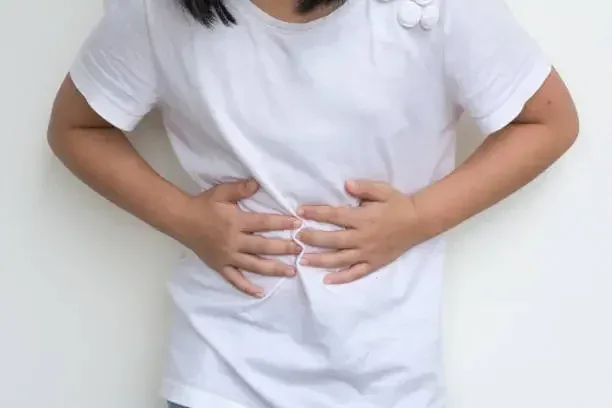
Effective Food Poisoning Treatment for Children
December 18, 2025
Food Poisoning Treatment Natural You Can Do at Home
December 18, 2025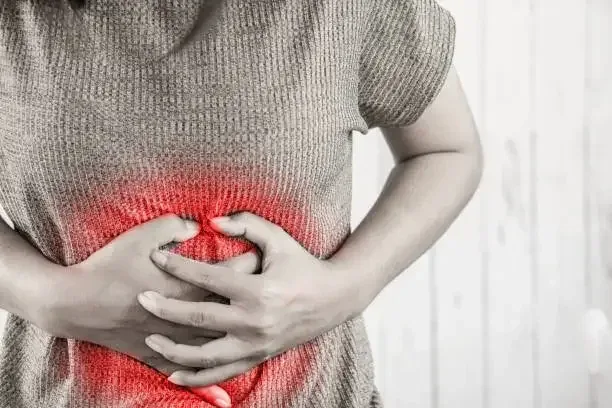
Food Poisoning Treatments – Food poisoning is a common yet serious health issue that affects people of all ages, especially travelers and families with children. While mild cases often resolve on their own, others require proper treatment and medical attention. Therefore, understanding food poisoning treatments, following correct guidelines, and knowing the right medicine can significantly reduce complications and speed up recovery.
This article explains food poisoning from the most general concepts to specific, effective treatments. Additionally, it helps readers know when professional medical care is necessary, particularly while traveling in Bali.
What is Food Poisoning?
Food poisoning is an illness caused by consuming contaminated food or beverages. In most cases, contamination occurs due to bacteria, viruses, parasites, or toxins. Common culprits include Salmonella, E. coli, Norovirus, and Campylobacter.
Symptoms typically appear within a few hours to several days after ingestion. Moreover, the severity depends on the type of pathogen, the amount consumed, and the individual’s immune system. Although many cases are mild, food poisoning can become dangerous without proper treatment, especially for children and travelers.
Why Does Food Poisoning Happen?
Food poisoning often occurs due to improper food handling, inadequate cooking, or poor sanitation. In tropical destinations like Bali, warm temperatures allow bacteria to multiply quickly if food is not stored correctly. Additionally, travelers may consume raw or undercooked seafood, unwashed fruits, street food, or ice made from unsafe water.
Moreover, changes in diet and gut bacteria can make the digestive system more sensitive. As a result, even food that seems harmless may trigger symptoms in people who are not accustomed to it.
Food Poisoning Treatment Guidelines
The primary guideline in treating food poisoning is supportive care, focusing on symptom relief and preventing complications. First and foremost, maintaining proper hydration is crucial. Since vomiting and diarrhea cause fluid loss, replacing water and electrolytes helps stabilize the body and supports recovery.
Secondly, rest plays an important role in the healing process. The body needs energy to fight off infection, so limiting physical activity allows the immune system to work more efficiently. Eating light, bland foods such as bananas, rice, toast, or crackers can help calm the stomach once symptoms begin to improve.
Finally, monitoring symptoms is essential. If symptoms worsen, last more than two to three days, or include high fever, bloody diarrhea, or severe abdominal pain, medical evaluation becomes necessary. In these cases, professional treatment ensures proper diagnosis and prevents further complications.
Effective Food Poisoning Treatments
Below are the most effective food poisoning treatments, explained clearly and in depth.
1. Hydration and Electrolyte Replacement
Hydration is the cornerstone of all food poisoning treatments. When the body loses fluids rapidly, dehydration can occur within hours. Therefore, drinking water alone is not always sufficient. Oral rehydration solutions help replace lost sodium, potassium, and glucose.
Additionally, frequent small sips are better tolerated than large amounts at once. For children, proper hydration prevents serious complications such as lethargy or electrolyte imbalance. As a result, early fluid management significantly improves recovery outcomes.
2. Dietary Adjustments
Once vomiting subsides, light foods can be introduced gradually. Bland foods such as rice, bananas, toast, and clear soups are easier to digest. At the same time, fatty, spicy, or dairy-based foods should be avoided temporarily.
Moreover, the digestive system needs time to recover. Therefore, forcing food too early can worsen symptoms. Gradual refeeding supports gut healing and reduces nausea.
3. Food Poisoning Treatment Medicine
Medication should be used carefully and ideally under medical supervision. Anti-nausea and anti-diarrheal medicines may help in certain cases. However, some medications can trap bacteria in the gut if used improperly.
In bacterial infections, doctors may prescribe antibiotics only when necessary. Consequently, self-medication is not recommended, especially for children. Professional guidance ensures safe and effective treatment.
4. Rest and Symptom Monitoring
Rest allows the immune system to fight infection more effectively. Meanwhile, monitoring symptoms is crucial. Warning signs include high fever, bloody diarrhea, severe abdominal pain, or persistent vomiting.
If any of these symptoms appear, immediate medical attention is necessary. Early intervention prevents complications and speeds up recovery.
Food Poisoning Treatments Medicine
Food poisoning treatment medicine depends on the severity and cause of the illness.
For mild cases, anti-nausea medication and oral rehydration solutions are usually sufficient. These help control vomiting and prevent dehydration. Meanwhile, probiotics may support gut recovery by restoring healthy bacteria balance.
In moderate to severe cases, doctors may prescribe anti-diarrheal medication, antiemetics, or specific antibiotics if a bacterial infection is confirmed. Additionally, intravenous fluids may be required if oral hydration is not effective.
Children and travelers should never take medication without proper guidance, as incorrect dosage can be dangerous.
How to Prevent Food Poisoning
Prevention is always better than treatment. Therefore, practicing good hygiene significantly reduces the risk. Washing hands before eating, choosing freshly cooked food, and avoiding unsafe water sources are essential steps.
Additionally, travelers should be cautious with street food and unpasteurized products. Using bottled water for drinking and brushing teeth further lowers the risk. These preventive habits protect both adults and children from foodborne illness.
Frequently Asked Questions (FAQ)
How long does food poisoning last?
Most mild cases resolve within 1–3 days. However, some infections may last longer and require medical care.
When should I see a doctor?
Seek medical help if symptoms are severe, persistent, or occur in young children, elderly individuals, or pregnant women.
Can children take food poisoning medicine?
Children should only take medication prescribed or approved by a healthcare professional. Incorrect dosing can be harmful.
Conclusion
Food poisoning treatments require the right balance of hydration, rest, dietary care, and appropriate medical guidance. While many cases are mild, some can escalate quickly, especially in children or during travel. Therefore, following proper food poisoning treatment guidelines is essential for safe recovery.
If you or your child experience food poisoning symptoms while in Bali and need professional medical support, Mobile Medicine Bali provides safe, reliable, and convenient medical care directly to your location.
Contact Mobile Medicine Bali at +6281252638533
Get expert diagnosis, proper food poisoning treatment medicine, and peace of mind while traveling.